

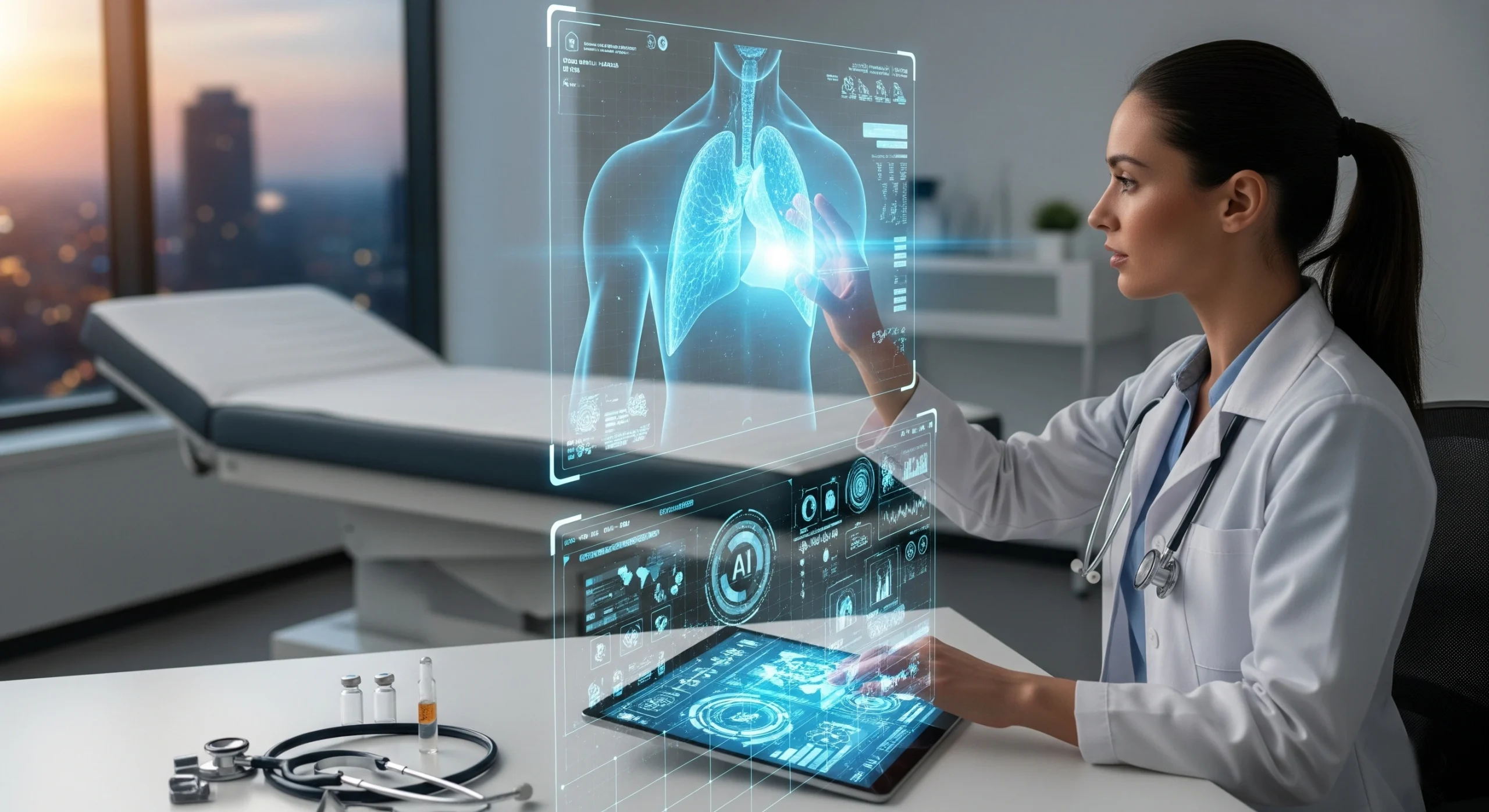
🔍 What is Modern Health Technology?
Modern health technology refers to the application of technology-based tools and systems to:
- Diagnose diseases
- Monitor body conditions
- Accelerate recovery
- Improve the efficiency of medical services
Examples include:
- Wearable devices (smart health watches)
- Digital blood pressure monitors
- Health apps on smartphones
- Telemedicine (remote doctor consultations)
- AI technology for automatic diagnosis
⚙️ 8 Useful Modern Health Technology Innovations
1. Smartwatches & Fitness Trackers
Examples: Apple Watch, Xiaomi Mi Band, Fitbit
Main functions:
- Heart rate monitoring
- Step & calorie tracking
- Sleep quality monitoring
- Stress & SpO2 detection
- ECG (on certain models)
Benefits:
- Encourages an active lifestyle
- Real-time heart monitoring
- Early warning for abnormalities
2. Digital Blood Pressure Monitors
Especially useful for hypertension patients.
Features:
- Easy self-use at home
- Instant results on screen
- Some models store measurement history
Recommendations:
- Use WHO-verified devices
- Measure at the same time daily
3. Oximeters (Oxygen Saturation Monitors)
Essential during the COVID-19 pandemic.
- Measures blood oxygen levels (SpO2)
- Early detection of oxygen deficiency
Ideal for asthma, lung, and heart patients, as well as athletes.
4. Digital Infrared Thermometers
- No direct contact
- Suitable for children and adults
- Results within 1–2 seconds
5. Health Monitoring Apps
Examples: Google Fit, Samsung Health, Halodoc, Alodokter
- Records BP, weight, and blood sugar
- Medicine and vitamin reminders
- Online doctor consultations
6. Portable Blood Glucose Monitors (Glucometers)
Essential for diabetes patients.
- Self-monitoring of blood sugar levels
- Adjust diet and daily activities
- Prevent complications
7. Electric Massage Chairs & Vibration Therapy Devices
- Improves blood circulation
- Relieves muscle tension
- Promotes relaxation
8. Steam Inhalers (Nebulizers)
- Delivers medication in vapor form directly to the lungs
- Relieves breathing difficulties
- Can be used at home without visiting a clinic
📈 The Role of AI & Big Data in Health Technology
- Automatic Diagnosis: Reading X-ray, CT scan, or MRI results, early cancer detection
- Patient Data Analysis: Predicting disease risks, personalized treatment recommendations, efficient hospital management
Examples: IBM Watson Health, Google DeepMind Health
💡 Benefits of Modern Health Technology
| Benefit | Description |
|---|---|
| Self-monitoring | No need for frequent hospital visits |
| Early disease detection | Reduces risk of complications |
| Faster treatment | Direct access to doctors and health data |
| Cost savings | Prevents hospitalization and emergency treatments |
| Promotes healthy lifestyle | Daily visible health data |
⚠️ Things to Keep in Mind
- Not a substitute for a doctor — devices assist, but do not replace professional diagnosis
- Ensure accuracy — use certified and clinically proven devices
- Maintain cleanliness — clean and store devices properly
- Continue regular check-ups — see your doctor at least every 6 months
🧠 FAQ – Common Questions
Q: Are smartwatches accurate for heart monitoring?
A: Accurate enough for daily monitoring, but not a substitute for medical ECG.
Q: Which medical devices should every home have?
A: At minimum: digital thermometer, blood pressure monitor, oximeter, and glucometer (if at risk of diabetes).
Q: Are online doctor consultations reliable?
A: Yes, for initial consultations or mild symptoms. For a full diagnosis, in-person visits are still recommended.
🔚 Conclusion
Modern health technology has opened new opportunities for people to take care of their bodies more independently, quickly, and efficiently. From small devices like smartwatches to advanced AI-based applications, everything is designed to support our health in the digital era.
Use them wisely, and remember that doctors and a healthy lifestyle remain the foundation of good health. Prevention is always better than cure.