

Natural Ways to Manage Stress and Anxiety for a Calmer, Healthier Life
In today’s fast-paced world, stress and anxiety have become almost inevitable. Whether it’s work deadlines, family issues, or global uncertainties, many people struggle with constant feelings of unease and mental strain. While some stress is natural, prolonged and unmanaged stress can harm both physical and mental health—leading to insomnia, depression, weakened immunity, and even chronic illness.
The good news? There are natural, effective, and scientifically supported methods that can help you regain control of your emotions, calm your mind, and restore balance to your daily life. This guide explores practical, holistic ways to manage stress and anxiety—without relying solely on medication.
1. Understanding Stress and Anxiety
What is Stress? Stress is your body’s response to physical or emotional pressure. When faced with a challenge, the body releases hormones such as cortisol and adrenaline to prepare for a “fight or flight” reaction.
What is Anxiety? Anxiety goes beyond everyday stress. It’s a persistent feeling of worry, fear, or dread that can appear without a clear reason. Chronic anxiety may develop into anxiety disorders that interfere with daily life.
2. Common Signs of Stress and Anxiety
| Physical Symptoms | Emotional Symptoms |
|---|---|
| Rapid heartbeat | Quick to anger |
| Muscle tension | Excessive worry or fear |
| Headaches | Trouble concentrating |
| Sleep disturbances | Restlessness |
| Digestive issues | Feeling uneasy or unsettled |
3. Proven Natural Methods to Reduce Stress and Anxiety
3.1 Deep Breathing Exercises
- Inhale deeply through your nose for 4 seconds
- Hold your breath for 4 seconds
- Exhale slowly through your mouth for 6–8 seconds
- Repeat 5–10 times
Benefit: Activates the parasympathetic nervous system, slows heart rate, and reduces stress hormones.
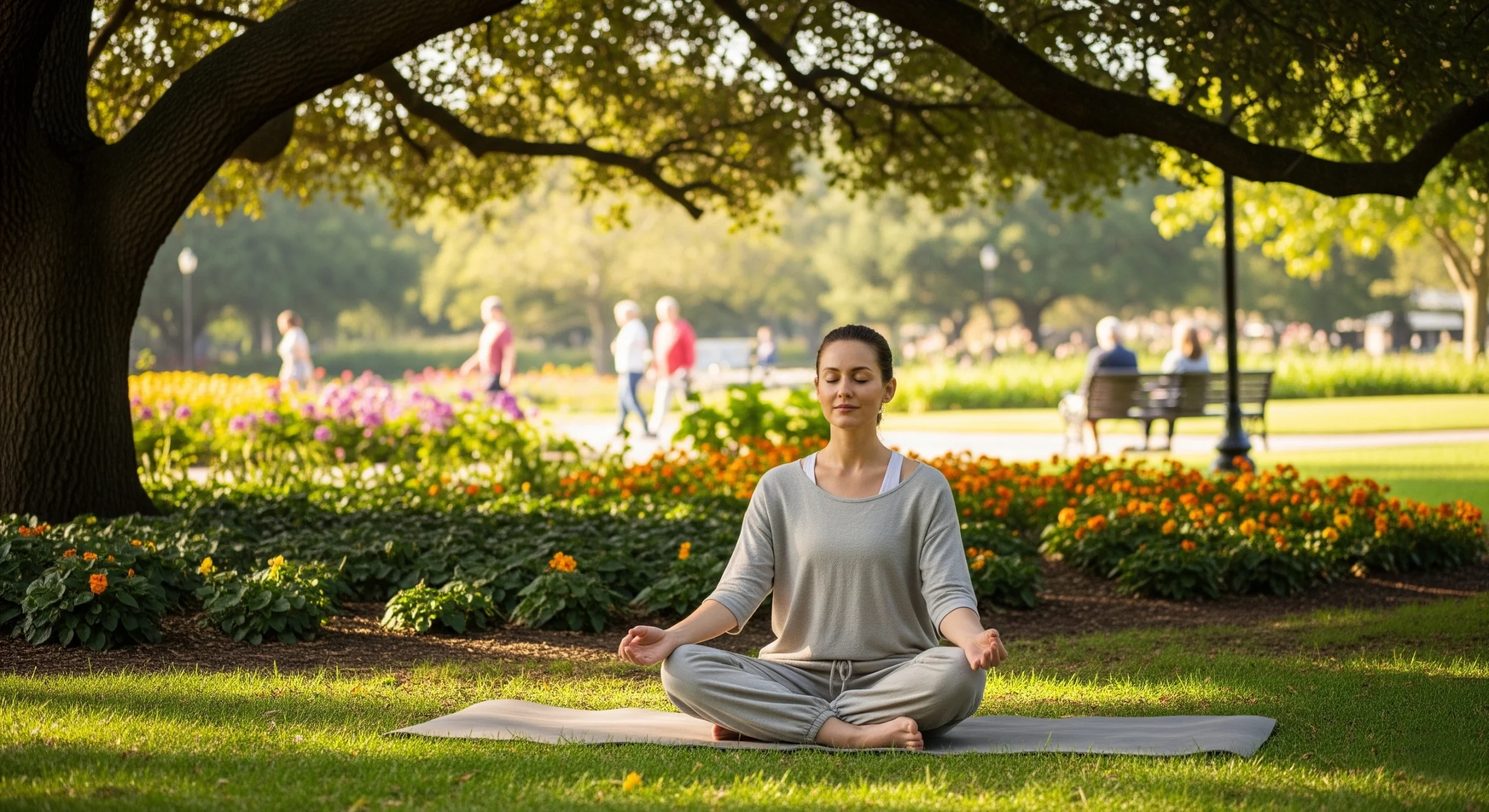
3.2 Meditation and Mindfulness
- Focus on your breath, body sensations, or natural sounds
- Acknowledge thoughts without judgment, then return to your focus point
- Consider apps like Insight Timer, Calm, or Headspace
Benefit: Reduces overthinking, increases mental clarity, and improves overall happiness.
3.3 Regular Physical Activity
- Walk briskly for 30 minutes daily
- Practice yoga or stretching routines
- Dance or cycle for fun
Benefit: Boosts endorphins, improves sleep quality, and increases resilience to stress.
3.4 Prioritizing Quality Sleep
- Aim for 7–8 hours per night
- Avoid screen time at least 1 hour before bed
- Create a dark, quiet, and cool bedroom environment
Benefit: Restores mental and physical function, helping the body recover from daily stressors.
3.5 Eating a Stress-Reducing Diet
- Increase vegetables, fruits, whole grains, and lean proteins
- Reduce refined sugar and caffeine intake
- Include magnesium-rich foods like spinach, almonds, and pumpkin seeds
Benefit: Stabilizes energy levels, supports brain function, and balances mood-related hormones.
4. Herbal Remedies and Traditional Solutions
4.1 Chamomile Tea
Known for its calming effect, ideal for nighttime relaxation.
4.2 Lavender
Used in aromatherapy or as an essential oil to ease anxiety and improve sleep quality.
4.3 Ashwagandha
An adaptogenic herb from Ayurveda that helps lower cortisol levels and improve resilience to stress.
4.4 Peppermint
Relaxes muscles and aids digestion, especially as a soothing tea.
4.5 Turmeric and Ginger
Support nervous system health and promote metabolic balance.
5. Daily Stress-Management Routine
| Time | Anti-Stress Activity |
|---|---|
| Morning | 5 minutes of meditation + warm water |
| Afternoon | 10-minute walk + deep breathing |
| Evening | Write in a gratitude journal |
| Night | Read a physical book + chamomile tea |
6. Avoiding Triggers: Digital and Information Detox
- Limit social media scrolling
- Consume uplifting and positive content
- Separate work time from personal rest time
7. Other Relaxation Techniques
7.1 Aromatherapy
Use scents like lavender, peppermint, and eucalyptus with a diffuser or topical application for relaxation.
7.2 Music Therapy
Listen to nature sounds, soft instrumental tracks, or binaural beats to calm the mind.
7.3 Journaling
Write down thoughts and emotions daily to process feelings and reduce mental clutter.
8. Social Support and Emotional Connection
- Talk to trusted friends or family members
- Join supportive online communities
- Engage in active listening and empathy exchanges
9. When to Seek Professional Help
Contact a psychologist, psychiatrist, or counselor if you experience:
- Persistent anxiety disrupting daily life
- Severe insomnia
- Loss of interest in life
- Thoughts of self-harm
Bonus: Positive Daily Affirmations
- “I am capable of handling whatever comes my way.”
- “Today, I choose peace and calm.”
- “My mind is clear, and my body is relaxed.”
- “I deserve happiness and a balanced life.”
FAQ – Common Questions
Q: Can anxiety be fully cured?
Yes, with consistent and proper management, anxiety can be controlled to the point where it no longer interferes with daily life.
Q: Which is better for reducing stress—meditation or exercise?
Both are equally important and work best when combined.
Q: Can herbs like ginger or turmeric be taken daily?
Yes, in moderate amounts. Consult a healthcare provider if unsure.
Conclusion
Stress and anxiety may be silent disruptors of health, but they are not unbeatable. By practicing natural methods such as mindfulness, herbal remedies, deep breathing, and a healthy lifestyle, you can restore calm and improve your quality of life. The key is self-awareness and consistency—small daily actions lead to long-term peace of mind.
