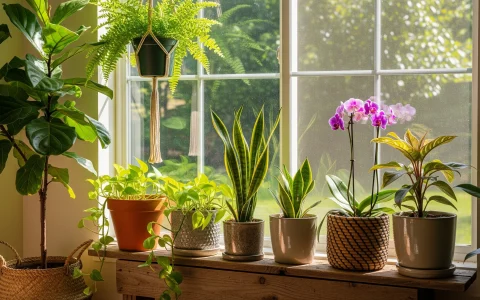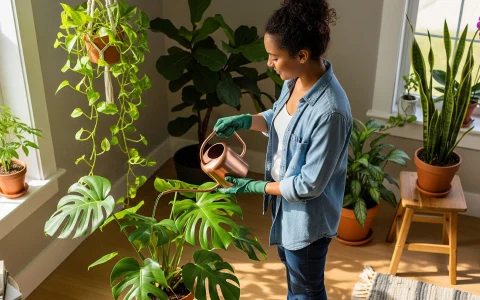

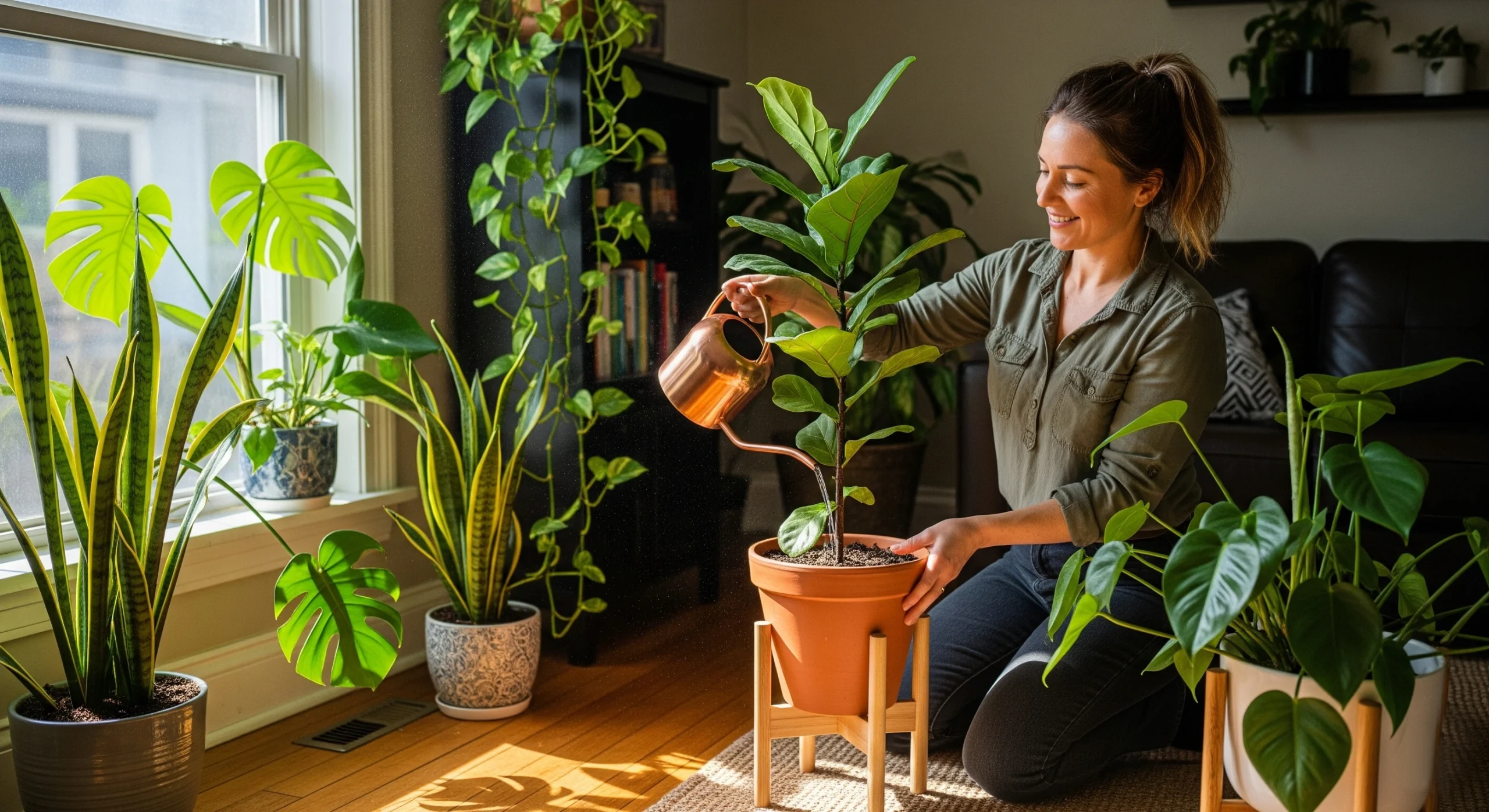
 Plants don’t just beautify your home — they also offer health benefits such as improving air quality, reducing stress, and creating a calmer atmosphere. But to keep plants growing strong and healthy, proper care is essential.
This guide covers how to care for plants at home so they stay disease-free, grow optimally, and how to troubleshoot common issues that plant owners face.
🌿 Why Keeping Plants Healthy Matters
Healthy plants = a healthy home. Here are the benefits:
- Absorb carbon dioxide and produce oxygen
- Filter toxins from the air (formaldehyde, benzene, etc.)
- Reduce stress and boost concentration
- Increase indoor humidity
- Provide food or natural herbs (for productive plants)
If neglected, plants can:
- Wilt and die
- Become pest breeding grounds
- Rot and cause bad odors
- Spread disease to other plants
🔹 7 Principles for Keeping Plants Healthy & Thriving
1. Know Your Plant Type
Indoor ornamental plants, vegetables, and herbs each have different needs.
- Aloe vera and succulents prefer bright light and infrequent watering
- Monstera and pothos enjoy humidity and shaded spots
- Chili, tomato, and spinach need plenty of light and nutrients
Learn the basics: sunlight, water, soil, and humidity requirements.
2. Watering Correctly
Common mistake: overwatering!
- Water when the top layer of soil feels dry
- Use room temperature water
- Avoid stagnant water in pots
- Indoor plants generally need watering 2–3 times a week depending on conditions
Signs of overwatering: yellow leaves, root rot, mold on soil surface.
3. Sunlight Based on Needs
| Light Requirement | Example Plants |
|---|---|
| Direct sunlight | Cactus, rosemary, tomato |
| Bright indirect light | Monstera, snake plant |
| Low light | Philodendron, peace lily |
- Rotate pots every 1–2 weeks for balanced growth
- Use grow lights if your space is dark
4. Regular Fertilizing
Pot soil loses nutrients faster than garden soil.
- Organic: compost, manure, rice water
- Inorganic: NPK liquid/granules, slow-release fertilizer
General schedule: once every 1–2 months for ornamental plants, every 2 weeks for vegetables or flowering plants.
5. Use Ideal Growing Medium
Best mix: soil + burnt husk + compost + cocopeat (1:1:1:1). For tropical plants, add pumice or coarse sand for better drainage.
Always use pots with bottom drainage holes.
6. Prune Sick Leaves & Stems
Pruning prevents disease spread, encourages new shoots, and keeps plants aesthetically pleasing. Remove yellow, blackened, or holey leaves immediately.
7. Repot When Needed
Plants that outgrow their pots need more space to spread roots.
Signs your plant needs repotting: roots coming out of drainage holes, slowed growth, wilting despite adequate watering.
🐛 5 Common Plant Problems & Solutions
1. Yellow Leaves
Causes: Overwatering, nitrogen deficiency, excessive sunlight.
Solutions: Reduce watering, add nitrogen-rich fertilizer, move to a shadier spot.
2. Mold & Moss on Soil
Cause: Excess moisture and poor air circulation.
Solutions: Replace topsoil, sprinkle cinnamon powder or natural fungicide, expose to morning sunlight.
3. Wilting Despite Watering
Cause: Root rot from overwatering.
Solutions: Remove from pot, cut rotting roots, replant in fresh porous soil, reduce watering.
4. Pest Infestation
Signs: White spots, holes in leaves, fine webbing.
Solutions: Spray with water + garlic + mild soap, use neem oil or organic pesticides.
5. Stunted Growth
Cause: Lack of nutrients or pot too small.
Solutions: Add liquid NPK, repot into a larger pot, ensure sufficient sunlight.
🌼 Easy-to-Care Indoor Plants for a Healthy Home
| Plant Name | Benefits |
|---|---|
| Snake Plant | Air purifier, low-light tolerant |
| Pothos | Absorbs formaldehyde |
| Peace Lily | Air purifier, aesthetic appeal |
| Spider Plant | Drought tolerant, toxin absorber |
| Aloe Vera | Antibacterial, treats burns |
| Lavender | Calming scent, natural mosquito repellent |
📦 Basic Plant Care Tools
- Small trowel and gloves
- Spray bottle
- Liquid fertilizer or compost
- Drainage pots and growing medium
- Pruning shears
- Grow light for low-light indoor spaces
🧠 FAQ
Q: Why does my plant die quickly even if I water it regularly?
A: Overwatering could be the cause. Check the soil condition and water needs of the specific plant.
Q: Can I water plants with rice-washing water?
A: Yes, it contains nutrients and is safe 1–2 times a week.
Q: How do I know my plant needs fertilizer?
A: Signs include pale leaves, slow growth, and lack of flowers/fruit.
🔚 Conclusion
Caring for plants is not as hard as it seems. By understanding each plant’s specific needs and giving regular attention, you can keep them healthy, disease-free, and make them part of a healthy home lifestyle. Remember, healthy plants = healthy home.